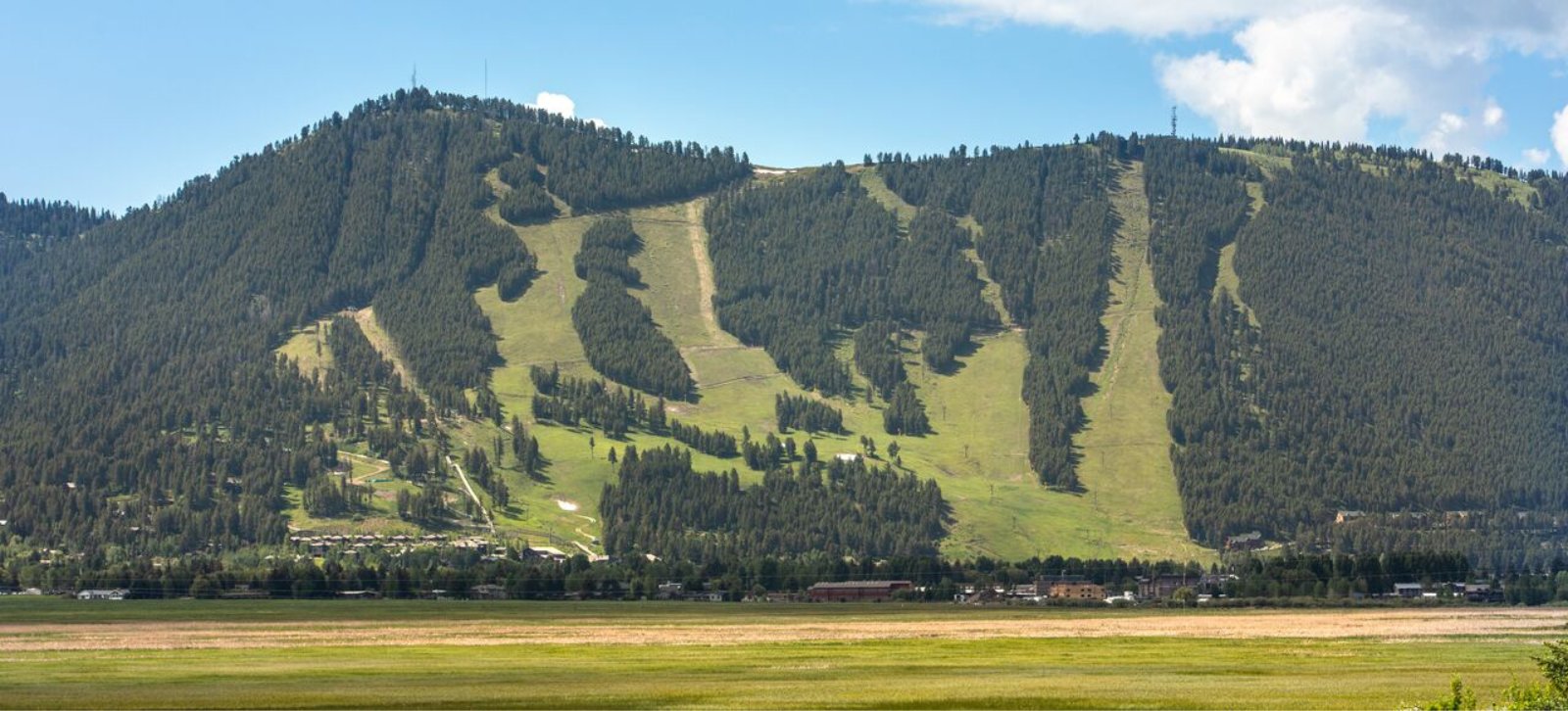
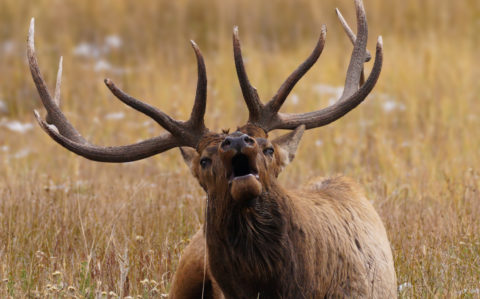
If you’re visiting Jackson Hole in the fall, you may hear an eerie, high-pitched call echoing across the valley. But what you hear isn’t the trapped souls of tourists who got stuck in the line to get into Yellowstone during the peak season. It’s the sound of one of the West’s most iconic wildlife events: the elk rut, their annual breeding season, when bulls compete for the chance to mate with cows. It’s like reality TV, except it's interesting. In Jackson Hole, the rut typically begins in early September, peaks from mid-September through early October, and gradually tapers off as October progresses. The exact timing varies each year depending on weather and herd conditions. We’ve written about this topic before, but whatever—elk do it every year, so we can too.
What Happens During the Rut?
During the rut, bull elk undergo dramatic behavioral changes. First, these hormone-heavy hunks gather harems of cows (who just sort of go along with it, apparently) and aggressively defend them from rival bulls. To establish dominance, they emit a distinctive vocalization to scare off their rivals: trying to sing ABBA’s “Waterloo” karaoke-style. No, just kidding; they let out a sound like a bugle or whistle. And then the other bulls are like, “Oh man, that guy sure can bugle. I bet his bugling skills are directly proportional to his ability to kick my butt. Better leave him alone.” Or something like that.
But often, these bugles fail to deter rival bulls, leading to engage in antler-to-antler battles. These brief contests are used to determine dominance and generally do not involve any actual desire to bring harm to their fellow elk. However, it is clear this is not always the case, as evidenced by this exclusive transcript of one particular interaction caught on tape by biologists, which is possibly a little bit made up:
BULL 1: Fweeeeeeeeeeeeeee-ooooo-ugh!
BULL 2: BREEEEEEEE-uhhh!
BULL 1: WREEEEEEEE-ohhh!
BULL 2: My name is Maximus Decimus Meridius, commander of the armies of the north, General of the Felix Legions and loyal servant to the true emperor, Marcus Aurelius. Father to a murdered son, husband to a murdered wife, and I will have my vengeance, in this life or the next.
BULL 1: Fweeeeeeeeee-ooooo-ugh!
Bulls also spend less time eating during the rut, focusing instead on protecting their harems and competing with other males. By the end of the season, many have lost a significant amount of body weight. Gotta slim down, you know?
Where Can You See Elk During the Rut?
Jackson Hole is one of the best places in North America to observe elk in the fall. Popular viewing areas include:
- Grand Teton National Park
- The National Elk Refuge (particularly as migration begins later in the fall)
- Bridger-Teton National Forest
- Open meadows and sagebrush flats throughout the Jackson Hole valley
- TV shows like The Antlerette, The Great British Bugle-Off, and White Lotus (but just the season set on the Elk Refuge)
Early mornings and evenings are typically the best times to see and hear bugling bulls.
Wildlife Viewing Safety
The rut is an exciting time for wildlife watchers, but elk are at their most unpredictable when trying to attract the opposite sex. We’ve all been through high school; we get it. However, bull elk can become highly aggressive as they defend their harems. Even if an animal appears calm, it can charge with little warning if it feels threatened.
When viewing elk:
- Stay at least 25 yards (75 feet) away. If the elk changes its behavior because of your presence, you’re too close.
- Remain in your vehicle when appropriate, especially if elk are near roads.
- Keep pets leashed and well away from wildlife.
- Use binoculars or a telephoto lens for close-up views instead of trying to close the distance yourself.
- Don’t tease a bull elk about the size of his antlers if you can tell that he’s sensitive about them.
Staying Near the Action
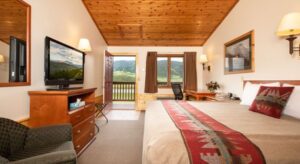
Flat Creek Inn provides convenient access to many of Jackson Hole’s premier wildlife viewing areas. Whether you’re planning an early morning drive through Grand Teton National Park or exploring the valley’s scenic byways, fall is one of the most rewarding times of year to experience Jackson Hole’s wildlife. Just—and we can't emphasize this enough—never approach an elk for a photo or attempt to call to it. They might think you’re a competitor—and trust us, guys, you can’t win that fight.