You probably saw the viral video of a man being chased by a bison in Yellowstone National Park this month. This was very unusual behavior for the bison but slightly less so in context, as we'll discuss. If you’ve ever wondered what the most dangerous animal in Yellowstone is and how to best protect yourself when you’re in the park, this is the blog for you. First, we’ll look at what the numbers say, and then we’ll dive into the context.
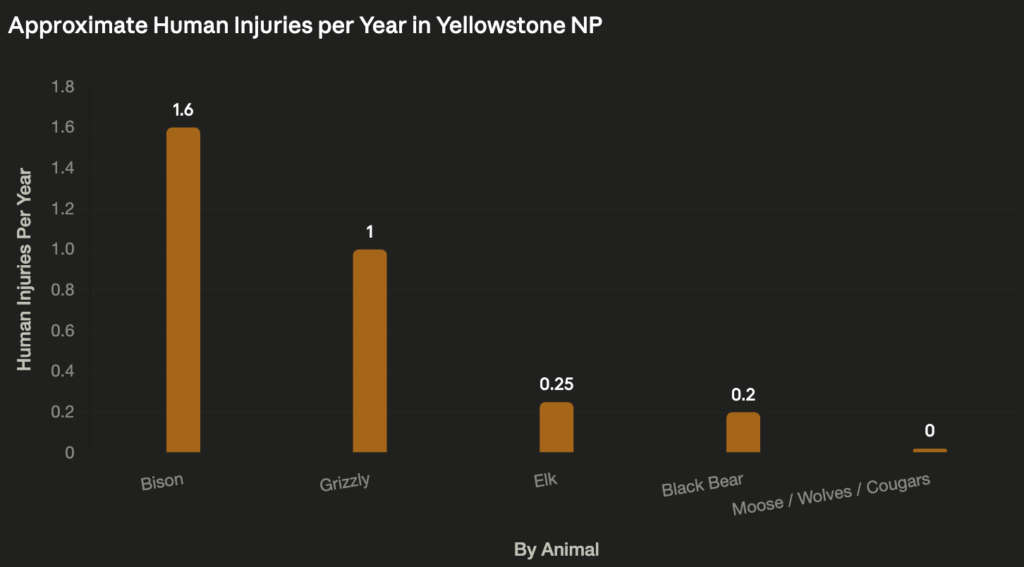
Below is a visualization of human injuries in Yellowstone per year based on available data from many sources (many links are provided below):
Bison
Bison cause the most injuries to humans in Yellowstone of any animal. Fortunately, all humans involved in the encounters have survived. Ungulates (hoofed animals) are far more likely to be aggressive under two scenarios: 1) a mother defending her young and 2) during the rut, when males assert their dominance for mating. Generally, the larger ungulate species have the start of their rut in the summer, with bison being the earliest, in July, meaning the bison that charged a man this month was probably at the start of its rut. If understood, this annual reproductive cycle can help you avoid surprising and dangerous encounters with these animals. One crucial yet unsurprising note is that a study found (yes, there are apparently scientific studies on this) that 80% of bison-related human injuries occurred after the person approached the bison.
Grizzly vs Black Bear
Grizzly bears pose a much higher risk for severe injuries or death—all 7 confirmed animal-related human deaths in the park’s history were caused by bears, and all 6 where the species of bear was confirmed were grizzly bears. However, humans are more likely to have encounters with black bears than their larger counterparts, but black bears don’t tend to act as aggressively.
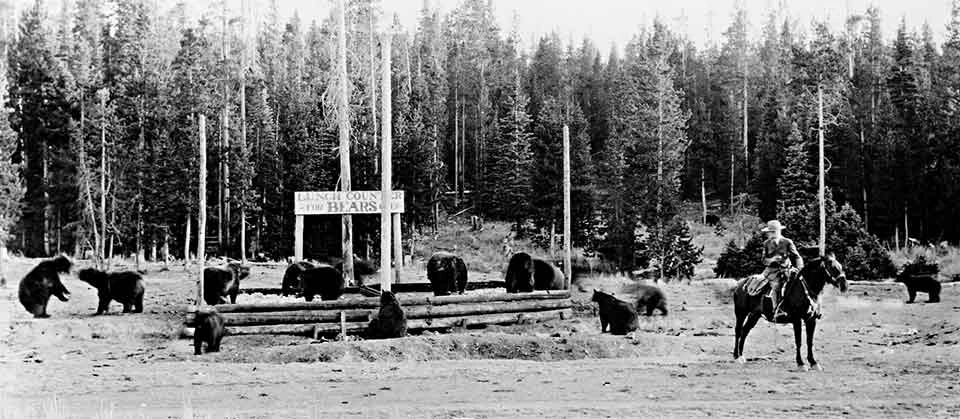
In all grizzly bear deadly attacks with detailed enough accounts, the individual was alone or with only one other person (two were at night). There were an astonishing 48 bear-related injuries a year until 1960, when the park removed open-pit garbage disposal and began steps for better bear management and instruction for how humans should interact with bears (e.g., not feeding them). The National Park Service reports that for the first one hundred years of the park’s existence, crowds would flock to garbage pits to watch large numbers of bears lumber around picking out disposed food. Modern rules require bears to be transported away or euthanized after obtaining a taste for human food because the bears will become more likely to seek out humans (once you taste a juicy cheeseburger humans cooked up for you, how could you go back to chasing spry game or choking down a raw, three-day-old elk carcass; Disclaimer—we don’t pretend to know how bears think).
Elk vs Moose
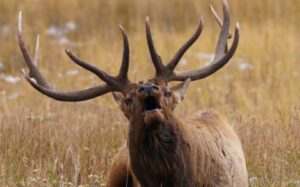
Nearly all modern human injuries caused by elk in Yellowstone have occurred near Mammoth Hot Springs, and all recent cases involved a mother elk (called a cow) with young in the spring, or a male (bull) during rutting season in late summer to early fall.
Despite there being no human injuries incurred by moose in Yellowstone’s recorded history, elsewhere moose are perhaps the most dangerous animal in North America by frequency of significant injuries to humans. Three people have been injured by moose in or near Jackson Hole since 2021, and Colorado reports large numbers of moose-related human injuries each year. Alaska reports more moose-related injuries than bear-related ones. The difference probably has to do with the relatively small number of moose living within the park compared to other wilderness areas. Perhaps unique to moose, many human injuries occur when people are walking dogs and when moose apparently feel threatened by the dogs (moose may mistake the dogs for wolves).
Deer, Wolves, and Cougars
No human injuries have ever been reported in Yellowstone involving any of these animals (with the exception of car accidents involving deer). Deer are smaller and less aggressive compared to larger ungulates. Accounts of wolves or cougars (also known as mountain lions) attacking humans are very rare across North America, though there are a few each year involving cougars.
Best Practices
In bear country, travel in groups. Understanding reproductive cycles of ungulates can help you stay safe when in bison, moose, or elk territory. Most importantly, if you respect them (e.g., not approaching them), you will avoid nearly all the risk of dangerous encounters.
Growing up, Dillon could see the Grand Teton from his house on a clear day. His family took him to nearby national parks so often that he took the parks for granted. It took the rigors of life to teach him how good he had it, and he now spends as much time in the mountains as possible.
Photo by NPS, author unknown